Access Insights · Team
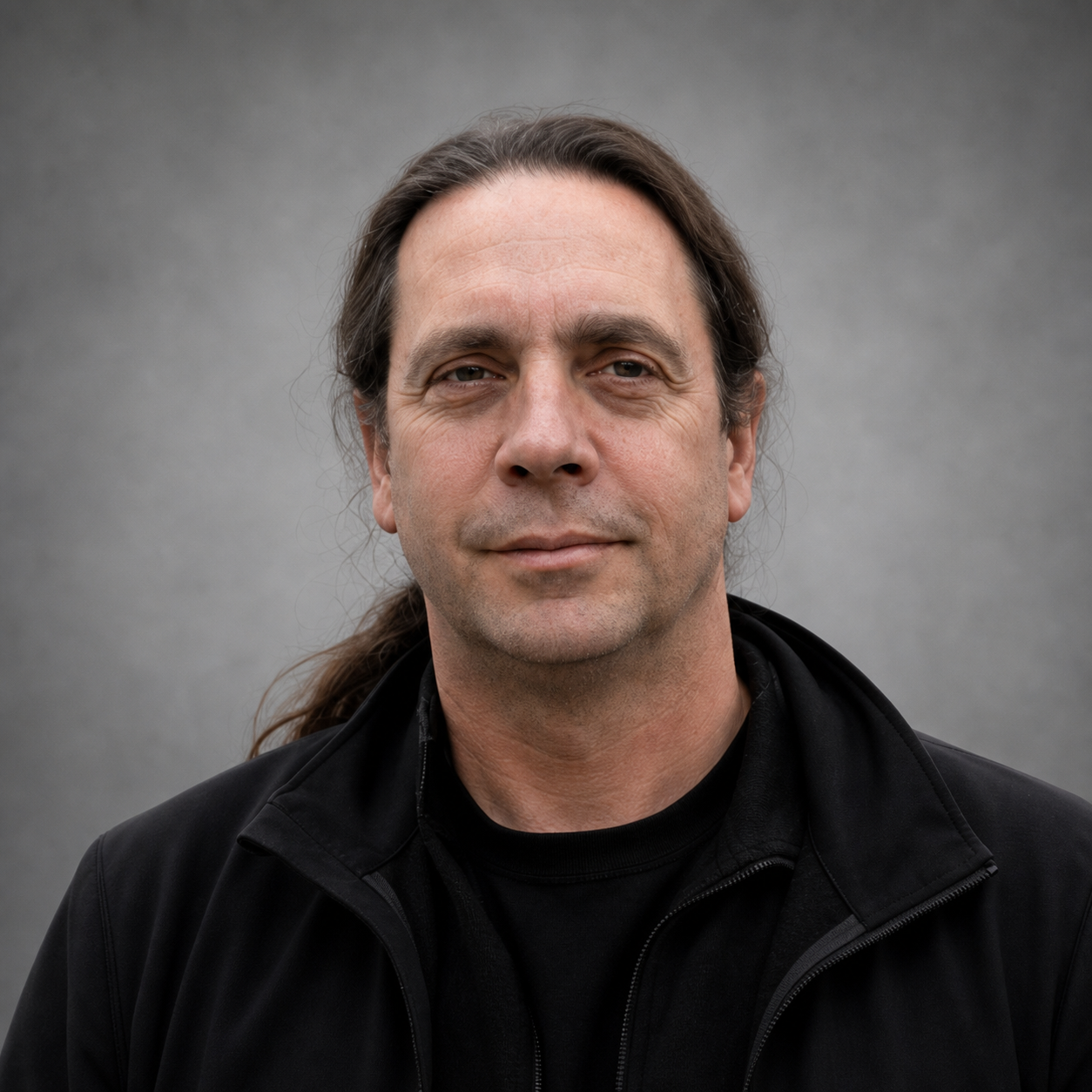
Richard Beckwith, PhD
Research Fellow
Richard spent five years at Princeton building WordNet, the lexical database used across natural language processing research. A research psychologist with forty years of work on how people use technology, spanning language, education, agriculture, privacy, aging, and disability, most of it at Intel Labs.
1986
PhD from Teachers College, Columbia University
5
years on WordNet at Princeton's Cognitive Science Laboratory
5,000+
citations of the 1990 paper introducing WordNet
40
years in research, from Princeton to Intel Labs
About
Study what people do before deciding what to build.
Richard earned his PhD from Teachers College, Columbia University in 1986. From 1986 to 1991 he was a research scientist at Princeton University's Cognitive Science Laboratory, where he worked on WordNet and co-authored the 1990 paper introducing it, Introduction to WordNet: An On-line Lexical Database, now cited more than 5,000 times. He then served as research faculty at Northwestern University's Institute for the Learning Sciences before joining Intel.
At Intel he was a research psychologist in the Experience Insights Lab of the Interactions and Experiences Research group, with research spanning education, agriculture, and privacy. His work took sensing out of the lab and into the field: wireless sensor networks in working vineyards, published in IEEE (Institute of Electrical and Electronics Engineers) Pervasive Computing, studies of how people feel about personal sensing and their privacy, and smart city technology, including advising Chicago's Colony 5 Array of Opportunity project.
At Access Insights, Richard's research supports design across disability, education, and aging: UX (user experience), AI (artificial intelligence) with a focus on NLP (natural language processing), and sensing.
Selected work
From the words people say to the sensors around them.
-
WordNet
Princeton University · Cognitive Science Laboratory
Worked on WordNet from 1986 to 1991 and co-authored the paper introducing it in the International Journal of Lexicography. The database and its successors run through decades of natural language processing research.
-
Vineyard Computing
Intel
Co-authored Vineyard Computing: Sensor Networks in Agricultural Production, published in IEEE Pervasive Computing in 2004, an early account of wireless sensing deployed in working agriculture.
-
Privacy and Personal Sensing
Intel
Co-authored Exploring Privacy Concerns about Personal Sensing, published at the Pervasive Computing conference in 2009, studying how people respond to being sensed.
-
Smart City Technology
Intel · Chicago
Advised the Colony 5 Array of Opportunity project on technology for Chicago communities, and spoke at Chi Hack Night on what people want from smart city technology.
-
Learning Sciences
Northwestern University
Research faculty at the Institute for the Learning Sciences, working on technology for education before joining Intel.
Appointments and publication
Four decades of research appointments.
- Research psychologist, Intel: Experience Insights Lab, Interactions and Experiences Research group.
- Research faculty, Institute for the Learning Sciences, Northwestern University.
- Research scientist, Cognitive Science Laboratory, Princeton University (1986 to 1991).
- Advisor, Colony 5 Array of Opportunity project, Chicago.
- Introduction to WordNet: An On-line Lexical Database, International Journal of Lexicography, 1990.
- Vineyard Computing: Sensor Networks in Agricultural Production, IEEE Pervasive Computing, 2004.
- Exploring Privacy Concerns about Personal Sensing, Pervasive Computing, 2009.
Why it matters here: Access Insights studies how disabled people actually use technology. Richard has spent forty years studying how people use technology, from the words they speak to the sensors around them.